Load smarter. Fill more. Move less.
VAKO designs and builds vertical container loading systems for 20ft and 40ft ISO containers, with mobile, stationary and fully custom-integrated solutions.
How it works
The vertical loading process
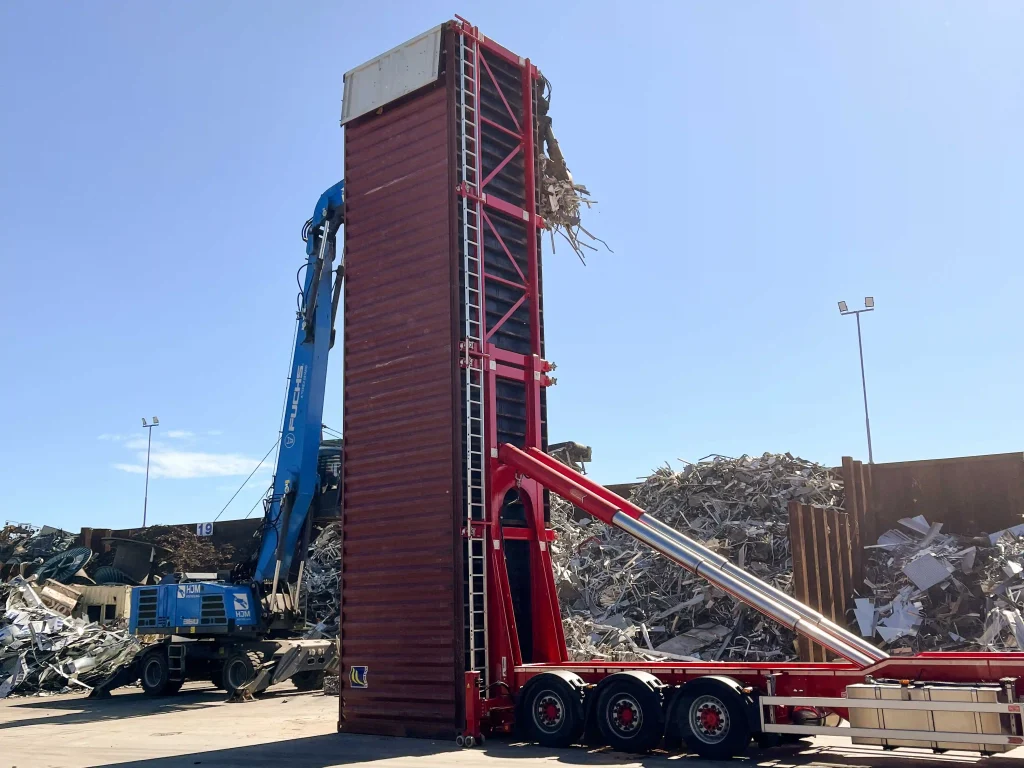
Instead of pushing material through the container doors, the container is raised and filled from above. Gravity helps distribute and settle the material throughout the available container volume.
Position the empty container on or in the loading system.
Raise the container into a vertical loading position.
Load the bulk material from above, using gravity to fill the container.
Close the container safely and return it to the horizontal transport position.
Why vertical loading
Built for utilisation and throughput
Higher container utilisation
Gravity helps material settle into the available volume, increasing cargo loaded per container in suitable applications.
Fewer transport movements
More cargo per container can reduce the number of containers and movements required for the same annual volume.
Faster loading cycles
A well-designed vertical loading process can shorten loading times and improve throughput.
Less manual handling
Automated positioning, controlled tilting and optional door handling can reduce manual steps around the container.
Safer, more controlled loading
Remote controlled tilting, positioning and optional door handling can reduce manual intervention around the container.
Built around your operation
VAKO develops mobile, stationary and custom-integrated solutions for different sites, materials and process requirements.
Comparison
Vertical loading compared with horizontal loading
| Aspect | Traditional horizontal loading | Vertical container loading |
| Loading direction | Material enters through the container doors | Material is loaded from above |
| Use of gravity | Limited | Gravity supports filling and settling |
| Container utilisation | Depends heavily on material and loading method | Can be higher for suitable bulk materials |
| Manual handling | Can require more intervention around the doors and load | Can be reduced with controlled handling options |
| Best suited for | General cargo, pallets and some bulk processes | Loose bulk materials, scrap, biomass, grains, pellets and similar products |
Applications
Which materials are suitable for vertical container loading?
Vertical container loading is especially relevant for loose bulk materials where gravity can help improve filling and handling.
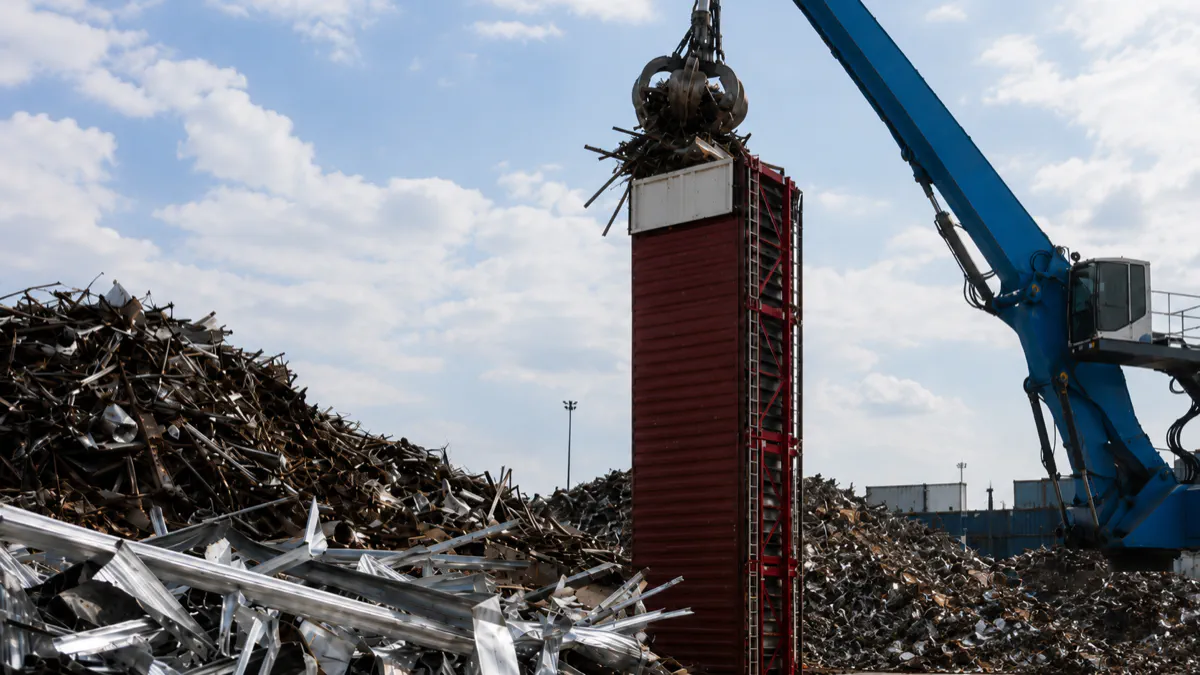
Scrap metal & aluminium scrap
For dense or irregular metal fractions where controlled container filling and high throughput are important.
Learn more
Wood chips & biomass
For lightweight bulk products where container volume is often the limiting factor.
Learn more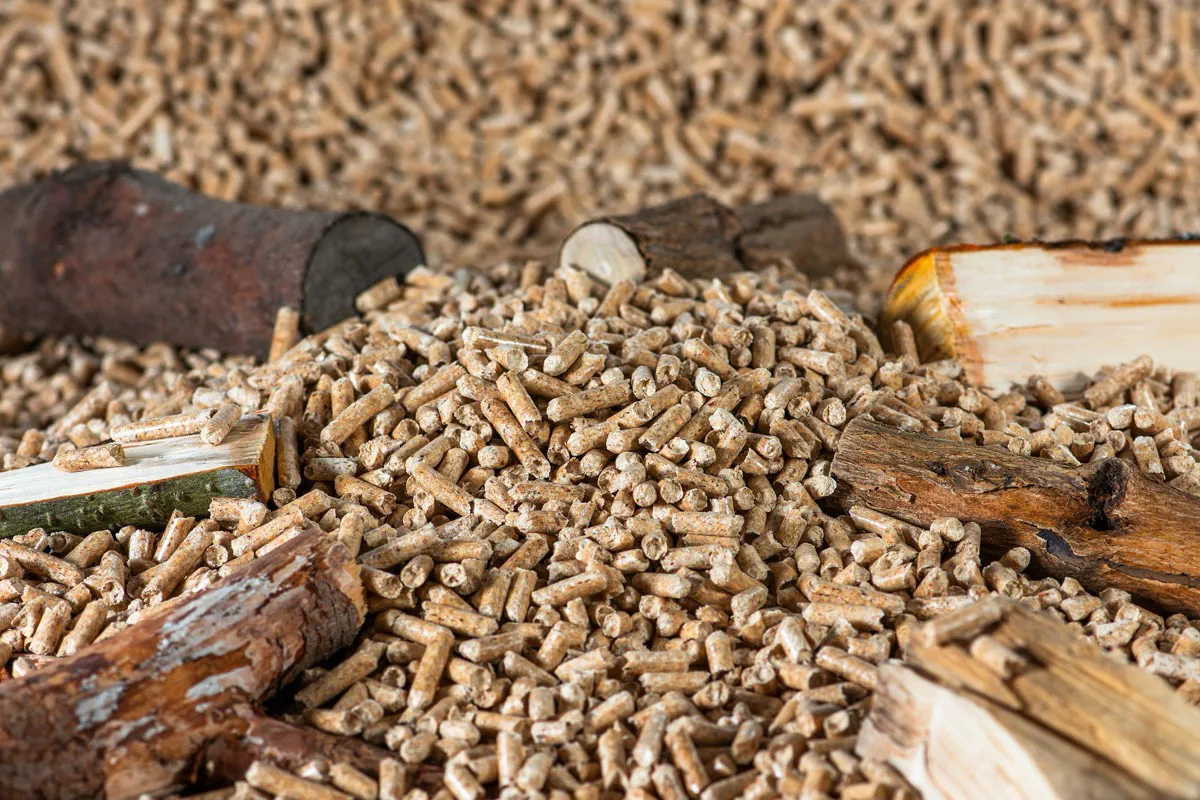

Animal feed & alfalfa pellets
For bulk export flows where efficient filling can reduce transport movements.
Learn more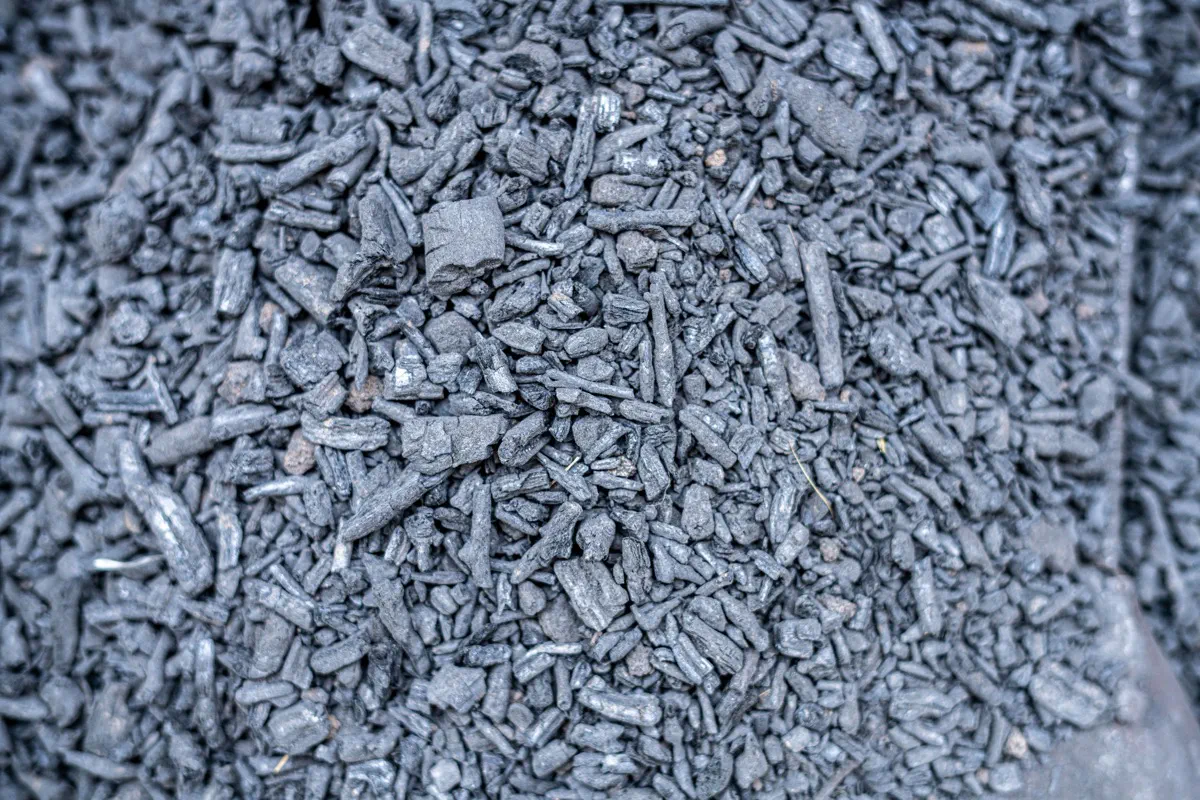
Other loose bulk materials
VAKO can assess your product characteristics, density, flow behaviour and loading process to determine the right concept.
Learn more
Agriculture & Feed
For grains, seeds, animal feed, coffee beans and other agricultural bulk products that require controlled and efficient container loading.
Learn moreBulk material systems
Container Loaders for Bulk Materials
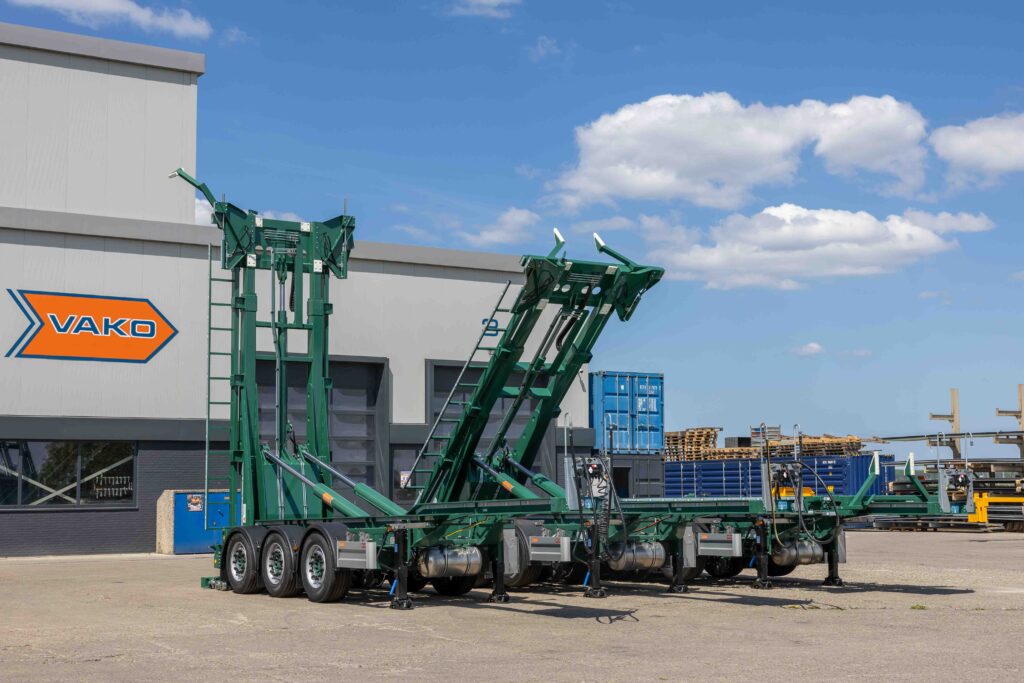
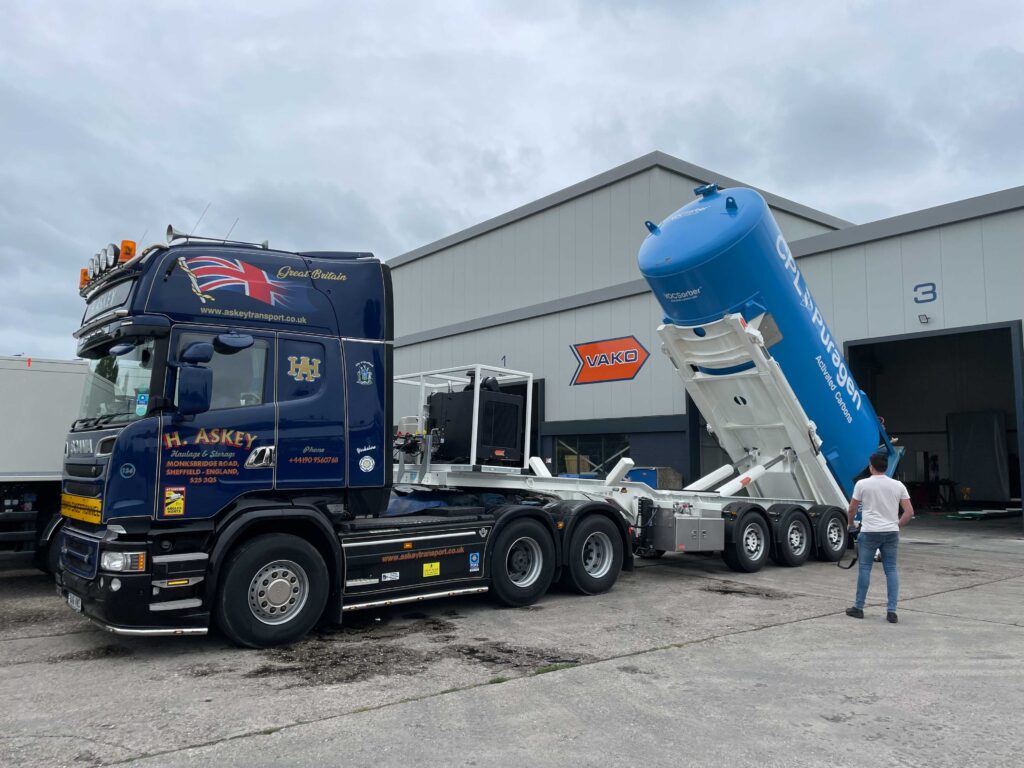
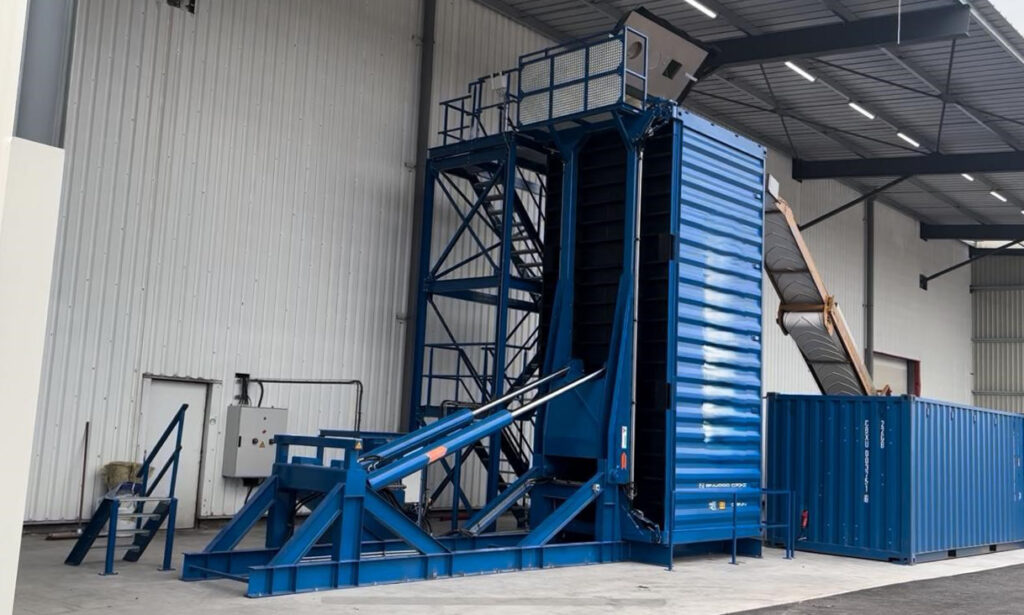
VAKO designs container loading systems for loose bulk materials, scrap, biomass, pellets and agricultural products. Choose a mobile 20ft or 40ft loader, a stationary vertical loader, or a custom-integrated solution for your operation. Want to see how these systems are applied in specific loading processes? Explore VAKO’s approach to container tilter and tipper systems and bulk container loading.
Mobile or stationary
Mobile or stationary vertical loading?
Mobile vertical loader
Best suited when flexibility between loading locations is important or when the system must be moved as part of the operation.
Stationary vertical loader
Best suited for fixed loading points, higher process integration and recurring bulk flows.
Custom integrated solution
For operations that require specific interfaces, conveyors, silos, safety systems, door handling or other process-specific engineering.
Our process
How VAKO develops the right loading solution
Every site and loading process is different. VAKO combines in-house engineering, steel construction and hydraulic expertise to develop a system around the real operating conditions of the customer.
Understand the material, current loading process and operational challenge.
Assess container types, available space, safety requirements and throughput targets.
Engineer the right mobile, stationary or custom-integrated concept.
Build and test the solution with a focus on reliability, safety and maintainability.
Support installation, commissioning, service, modifications and future upgrades.
In practice
Vertical loading in practice
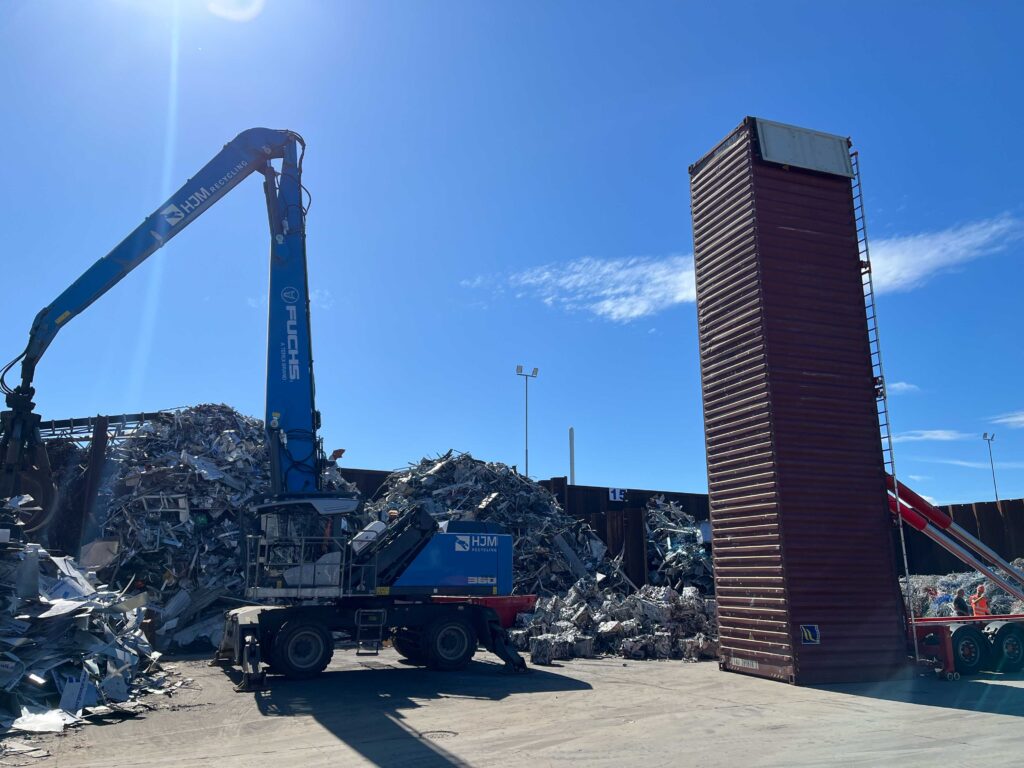
The best way to understand vertical loading is to see how it performs in practice. From 20ft scrap export loading in Saudi Arabia to 40ft aluminium scrap handling in Denmark, VAKO develops each system around the material, site logistics, container size and required throughput.
Calculate the potential benefit of vertical loading
The potential value of vertical loading depends on your product, container volumes, transport distance and current loading method. Use the VAKO calculator to estimate the possible difference in container utilisation, transport movements and annual transport costs.
The calculation is an indication. For a realistic business case, VAKO can assess your actual product characteristics and operating conditions.
FAQ
Frequently asked questions about vertical container loading
What is vertical container loading?
Vertical container loading is a method in which an ISO container is raised into a vertical or steep position and filled from above. Gravity helps distribute material through the available container volume.
Which materials can be loaded vertically?
Typical applications include scrap metal, aluminium scrap, wood chips, biomass, pellets, grain, seeds and other loose bulk materials. Suitability depends on density, flow behaviour, safety requirements and the existing process.
Can both 20ft and 40ft containers be loaded vertically?
Yes. VAKO develops solutions for 20ft, 40ft and 40ft High Cube ISO containers, depending on the system and application.
Is vertical loading suitable for scrap metal?
Yes, scrap metal is a common application for vertical loading. The exact system design depends on the scrap fraction, density, container type, loading equipment and required throughput.
Does vertical loading always increase payload?
No. The benefit depends on the material, density, legal container weight limits and current fill rate. For denser products, maximum container weight can be reached before volume becomes the limiting factor.
Should I choose a mobile or stationary vertical loader?
A mobile loader offers flexibility between locations, while a stationary solution is better suited to fixed loading points and deeper process integration.
Can a vertical loading system be integrated into an existing process?
Yes. VAKO can engineer custom interfaces with conveyors, silos, hoppers, hydraulic systems, safety systems and other existing equipment.
How do I know whether vertical loading has a positive business case?
The business case depends on container utilisation, annual volume, transport distance, labour, loading time and investment requirements. The VAKO calculator can provide an initial indication, followed by a project-specific assessment.
Bring us your container loading challenge
Tell us what you load, how many containers you handle and where the current process slows you down. Our engineers will help assess whether vertical loading can improve your operation and which system concept fits best.