One loading challenge. Many industries.
Different industries handle different materials, processes and loading challenges. VAKO develops mobile, stationary and custom-integrated vertical loading systems based on the material, container type, site layout, throughput and safety requirements of each operation.
By Industry
Explore vertical loading solutions by industry
Vertical container loading can support a wide range of bulk-handling operations. The potential benefit depends on factors such as material density, flow behaviour, current fill rate, container size, annual volumes and transport distance.
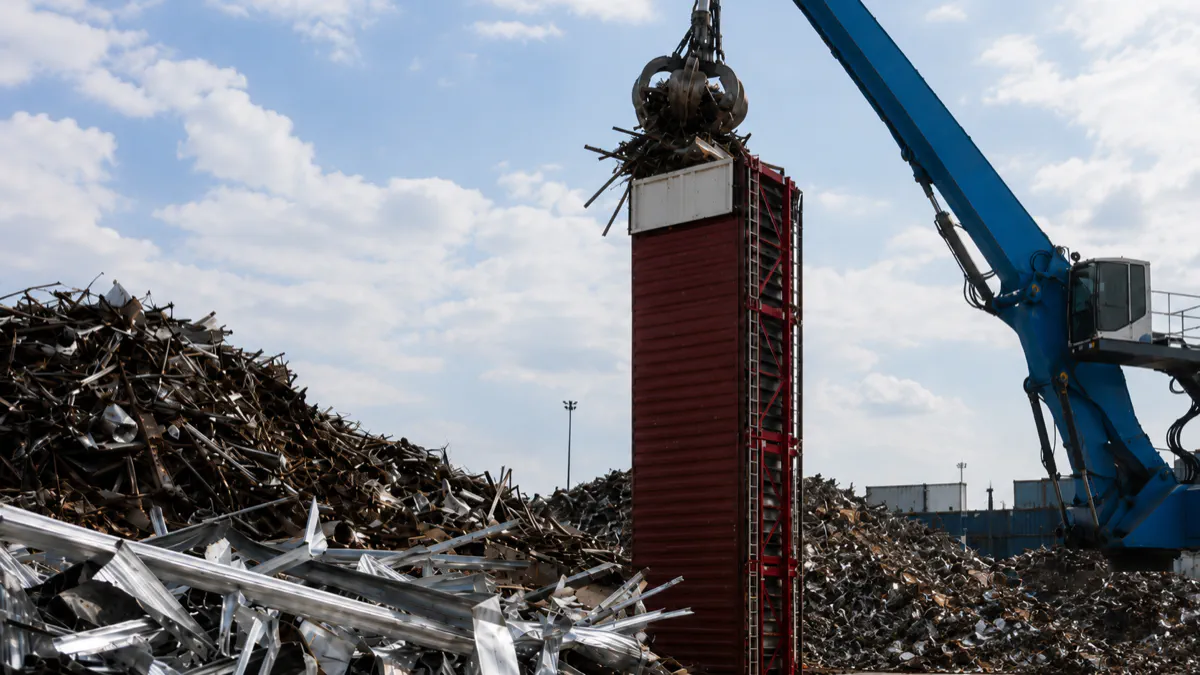
Waste & Recycling
From ferrous and non-ferrous scrap to aluminium and other recyclable bulk materials, vertical loading can improve process control and help use the available container volume more effectively.
Explore waste and recycling solutions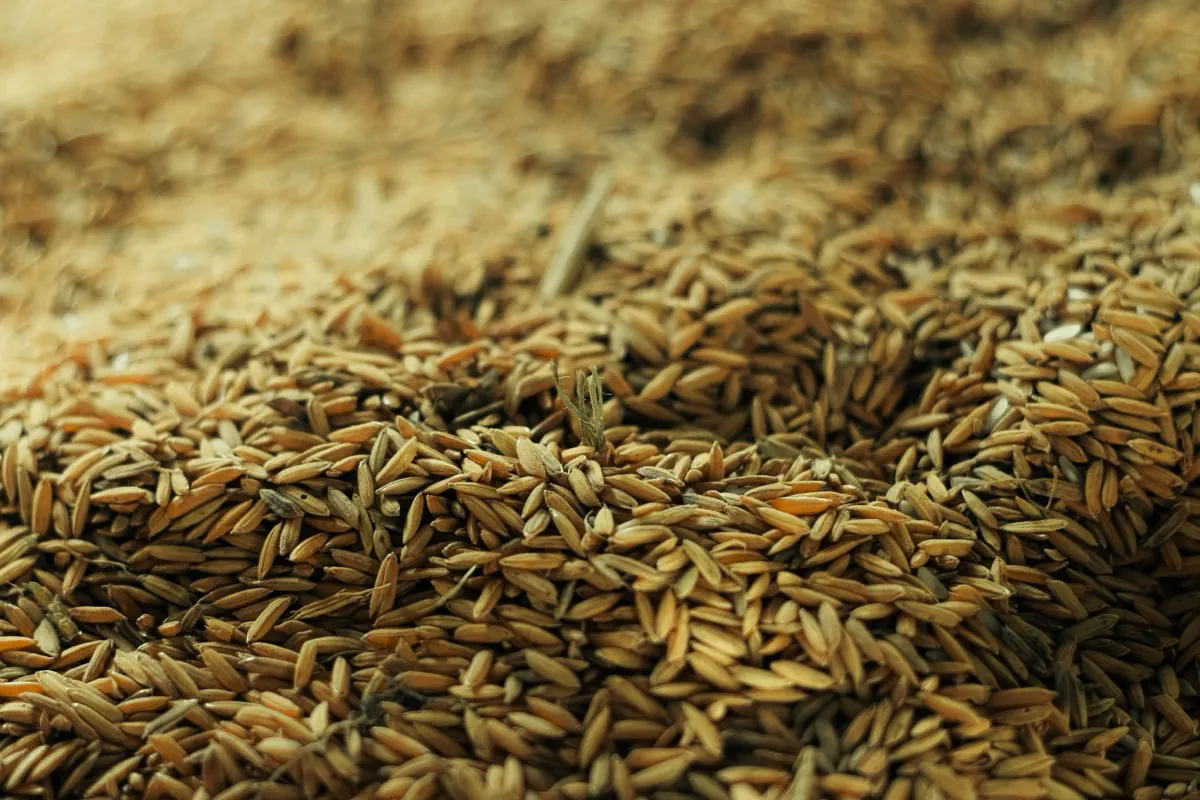
Agriculture & Feed
Grain, seeds, animal feed and other agricultural bulk products all have different densities and flow characteristics. VAKO develops loading systems around product characteristics, hygiene requirements and the overall export process.
Explore agriculture and feed solutions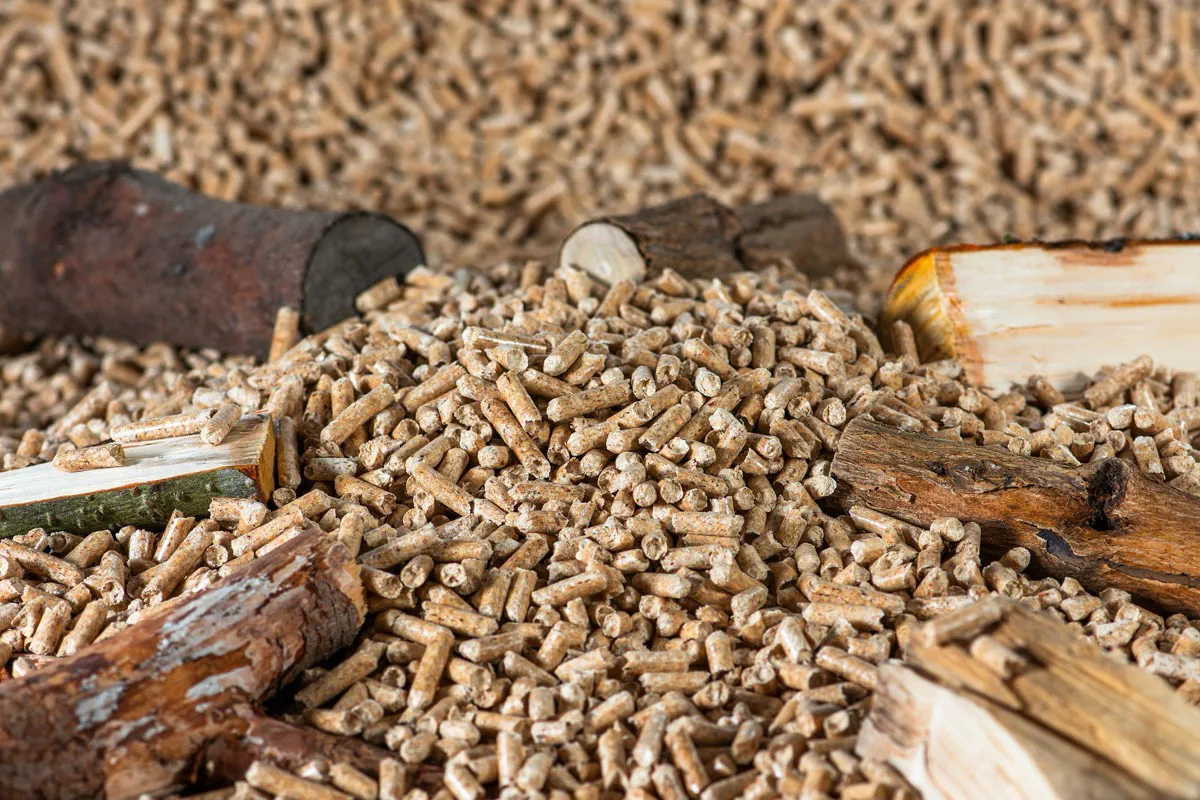
Wood, Biomass & Pellets
Lightweight materials such as wood chips and biomass can reach the container’s volume limit before its maximum permitted weight. Vertical loading can help improve container utilisation.
Explore wood and biomass solutions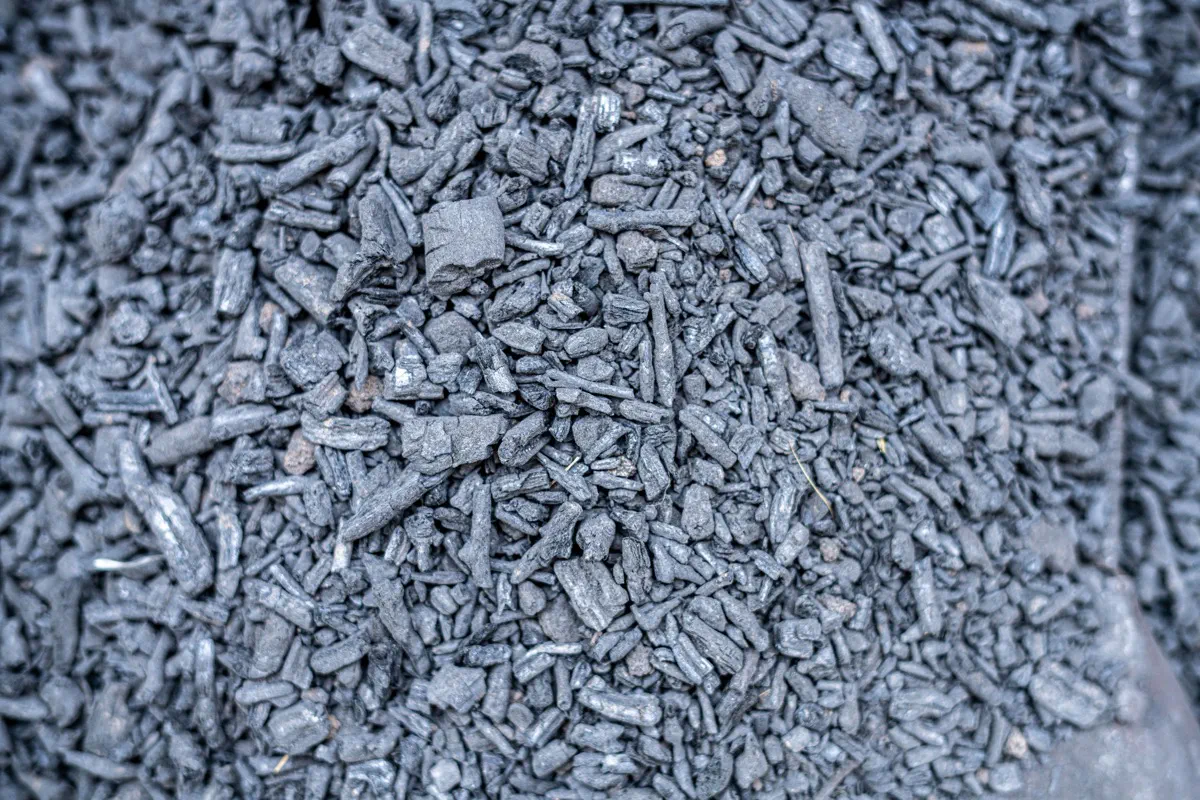
Bulk Logistics & Export
For companies exporting loose bulk materials in ISO containers, loading efficiency directly affects handling time, container utilisation and transport movements.
Explore bulk logistics and export solutionsWhat matters
What determines the right vertical loading solution?
The industry is only the starting point. The right loading concept depends on the complete operation.
Material characteristics
Density, particle size, moisture content, shape and flow behaviour all influence how a material settles inside the container.
Container type
VAKO develops solutions for 20ft, 40ft and 40ft High Cube ISO containers, depending on the system and application.
Current loading method
The greatest opportunities often exist where current loading leaves unused container volume or creates bottlenecks in the process.
Throughput and annual volumes
Loading frequency, annual container volumes and required cycle times influence whether a mobile, stationary or integrated solution is most suitable.
Site layout and integration
Available space, conveyors, silos, hoppers, cranes, hydraulic systems and safety requirements all affect the final system design.
System types
Mobile, stationary or custom-integrated?
The right loading concept depends on how and where the system will be used. VAKO develops mobile, stationary and custom-integrated solutions around the operation.
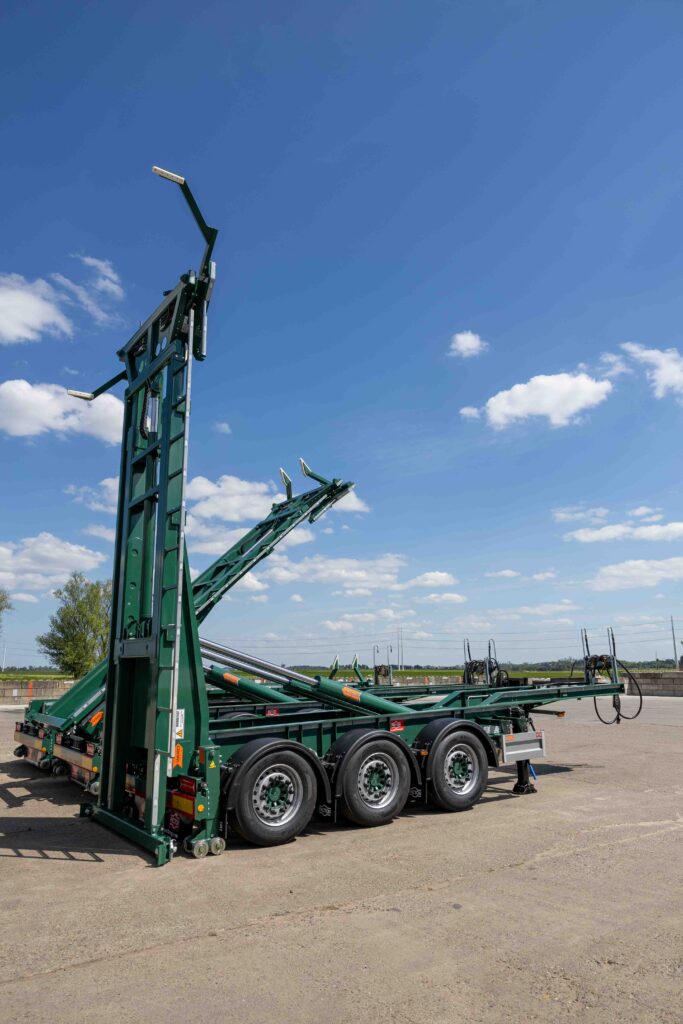
Mobile vertical loaders
Suitable when flexibility between loading locations is important or when the system must move as part of the operation.
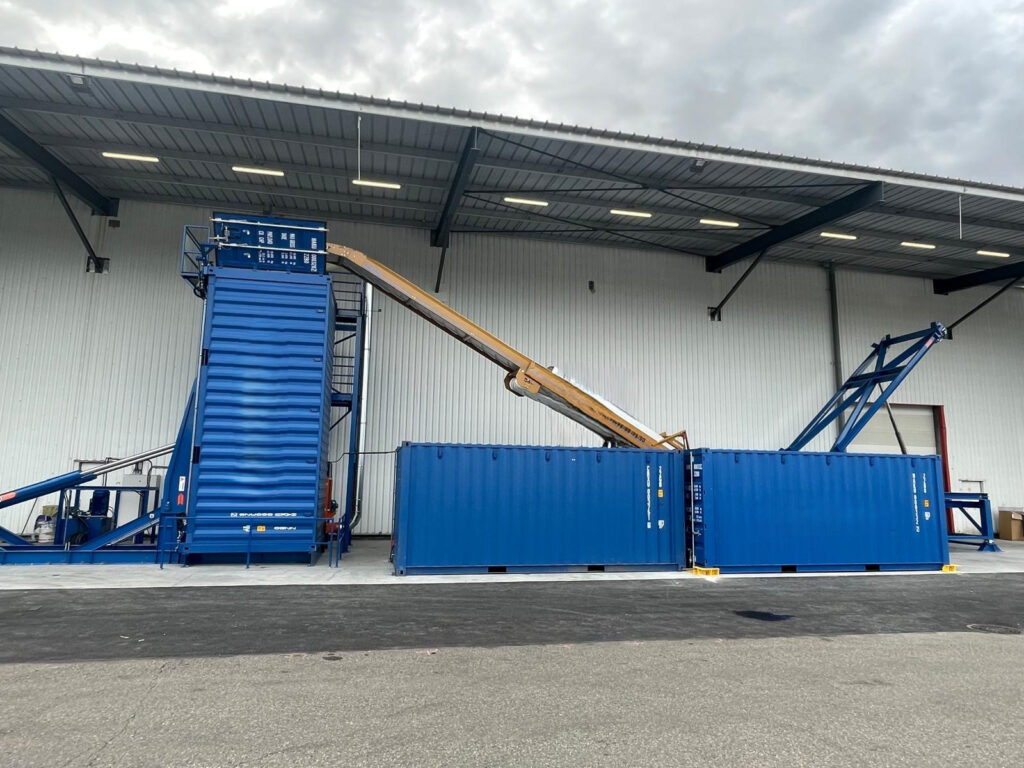
Stationary vertical loaders
Suitable for fixed loading points, recurring bulk flows and deeper integration with an existing production or loading process.
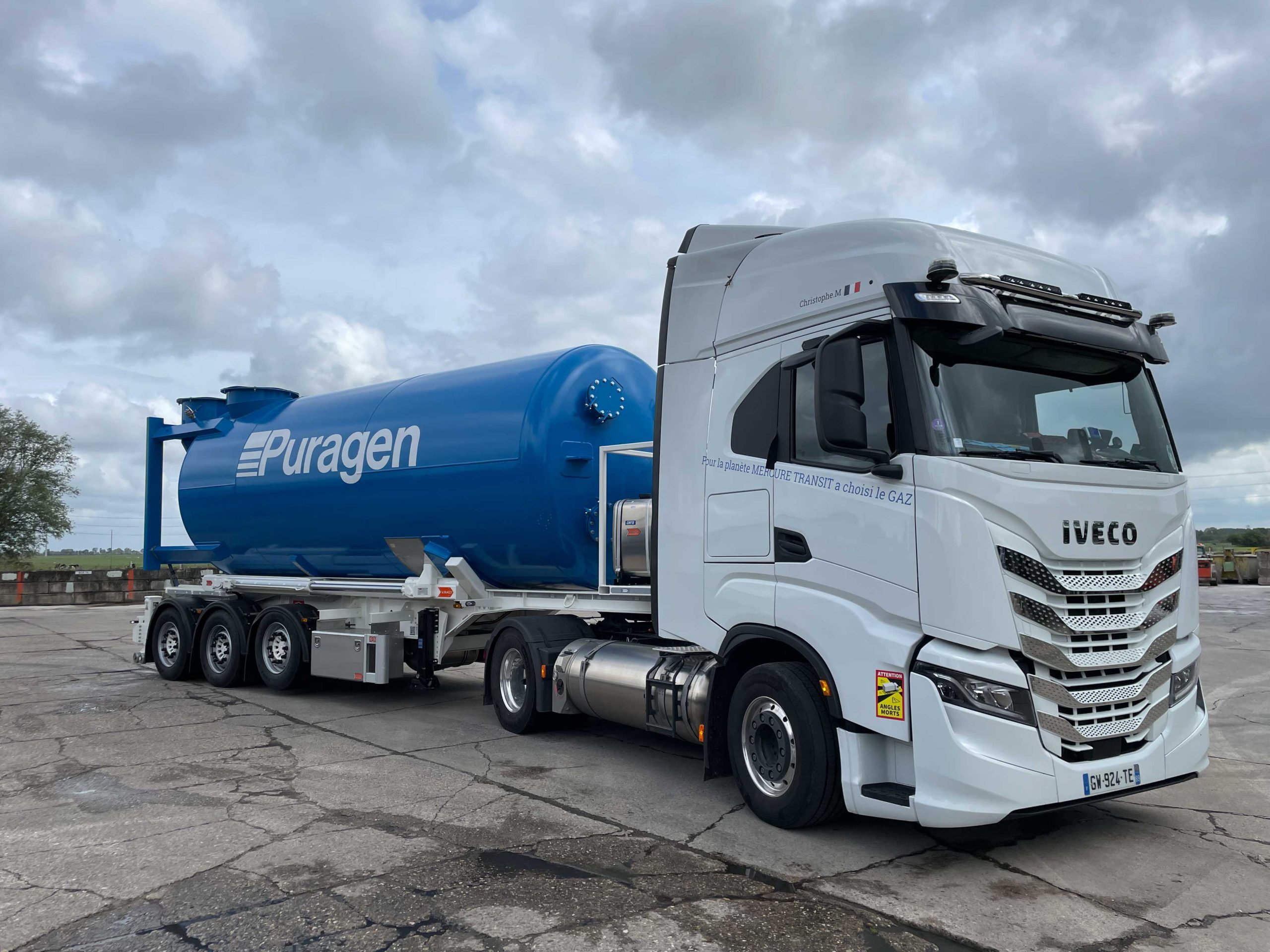
Custom-integrated solutions
For operations that require specific interfaces with conveyors, silos, hoppers, door handling, safety systems or other process equipment.
Explore vertical container loading
See all systems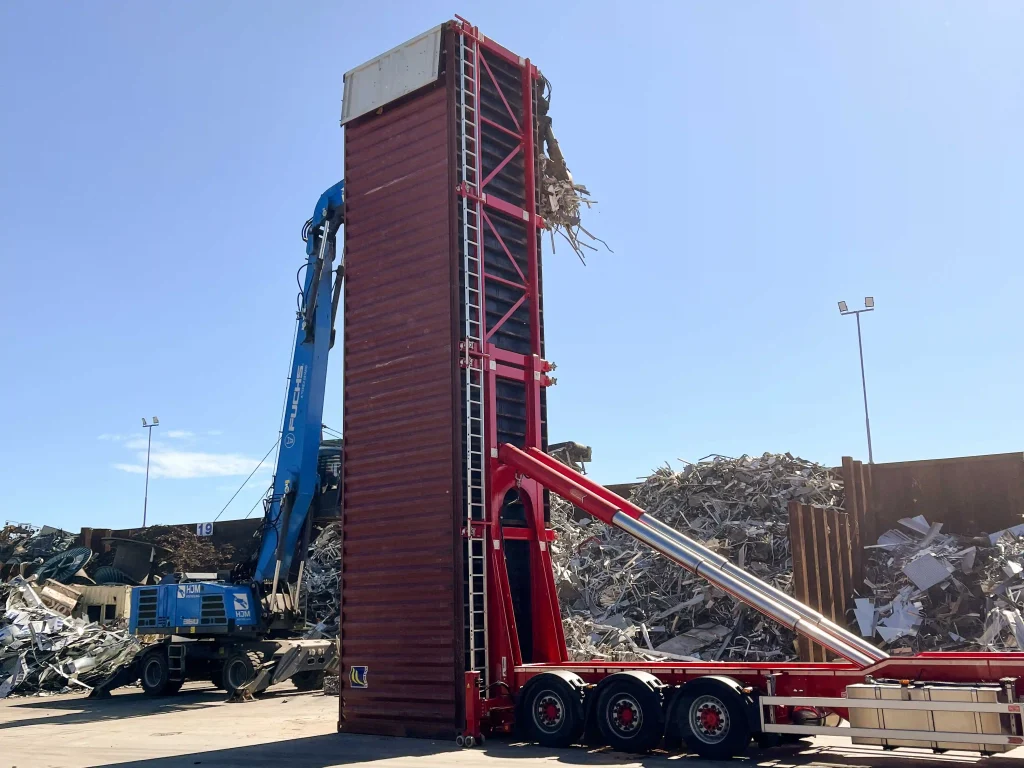
VAKO MVL40
Features
- Suitable for 40” (HQ) ISO Containers
- Build following proven design of the VAKO MVL20
- Multiple container positions possible
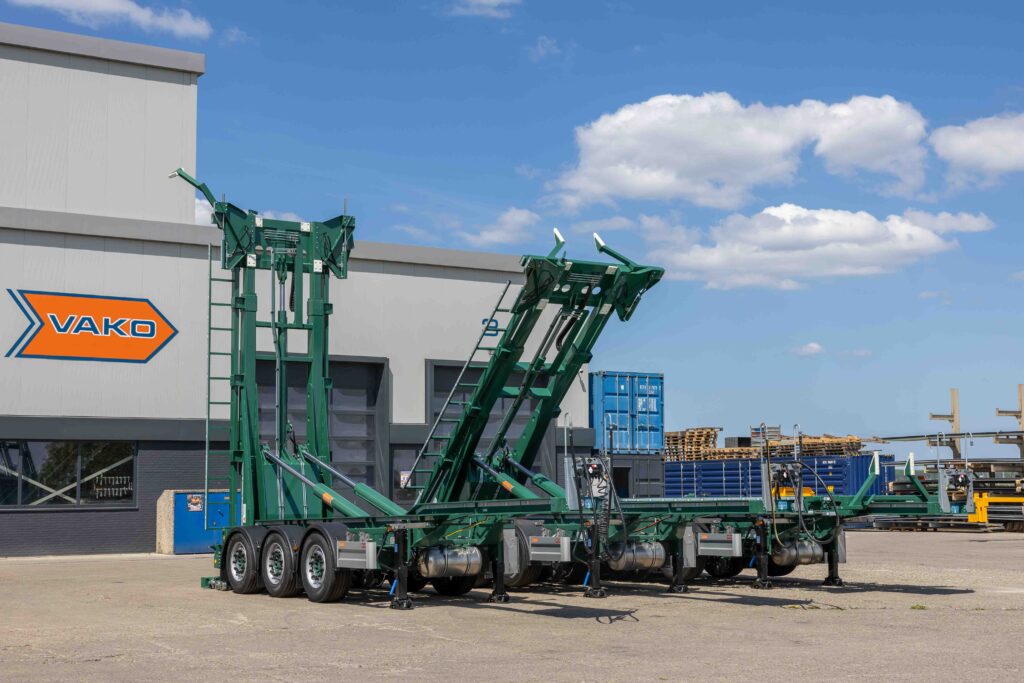
VAKO MVL20
Features
- Suitable for 20” ISO Containers
- Fast en save loading and unloading
- Strong and durable
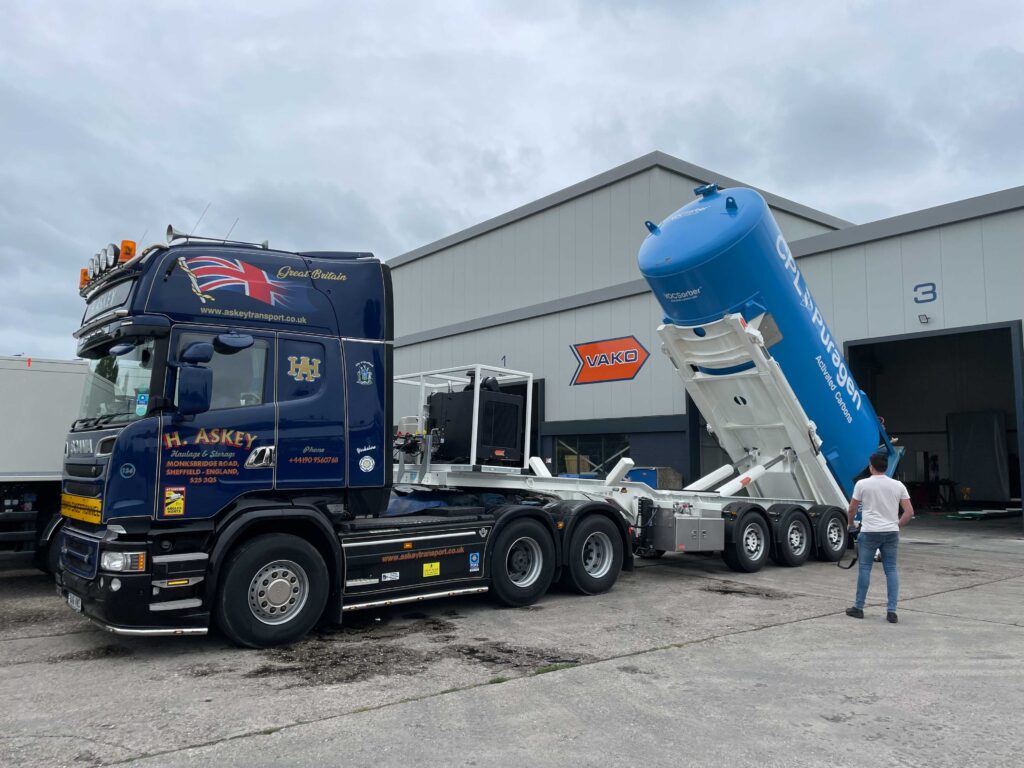
VAKO MSF01
Features
- Available for various silo/filter types
- Max 30tonnes lifting capacity
- Various chassis and “driveline” solutions
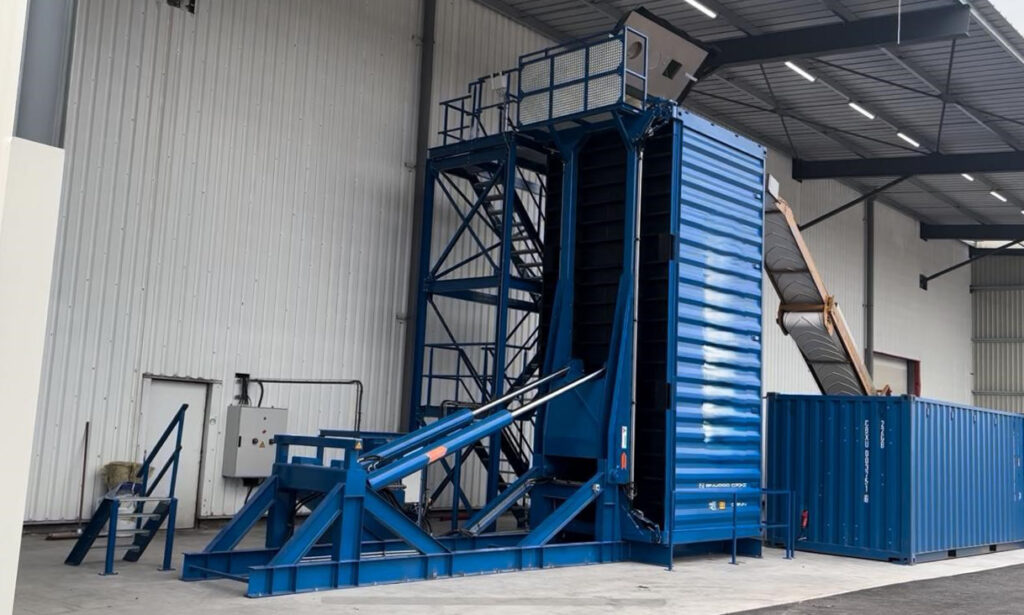
VAKO SVL20
Features
- Optimal solution for “ground based” bulk loading
- Always a bespoke solution
- Integrated in your process
In practice
Vertical loading in practice
The best way to understand a loading solution is to see how it performs in real operations. VAKO has developed vertical loading systems for international customers handling scrap metal, aluminium scrap and other bulk materials.
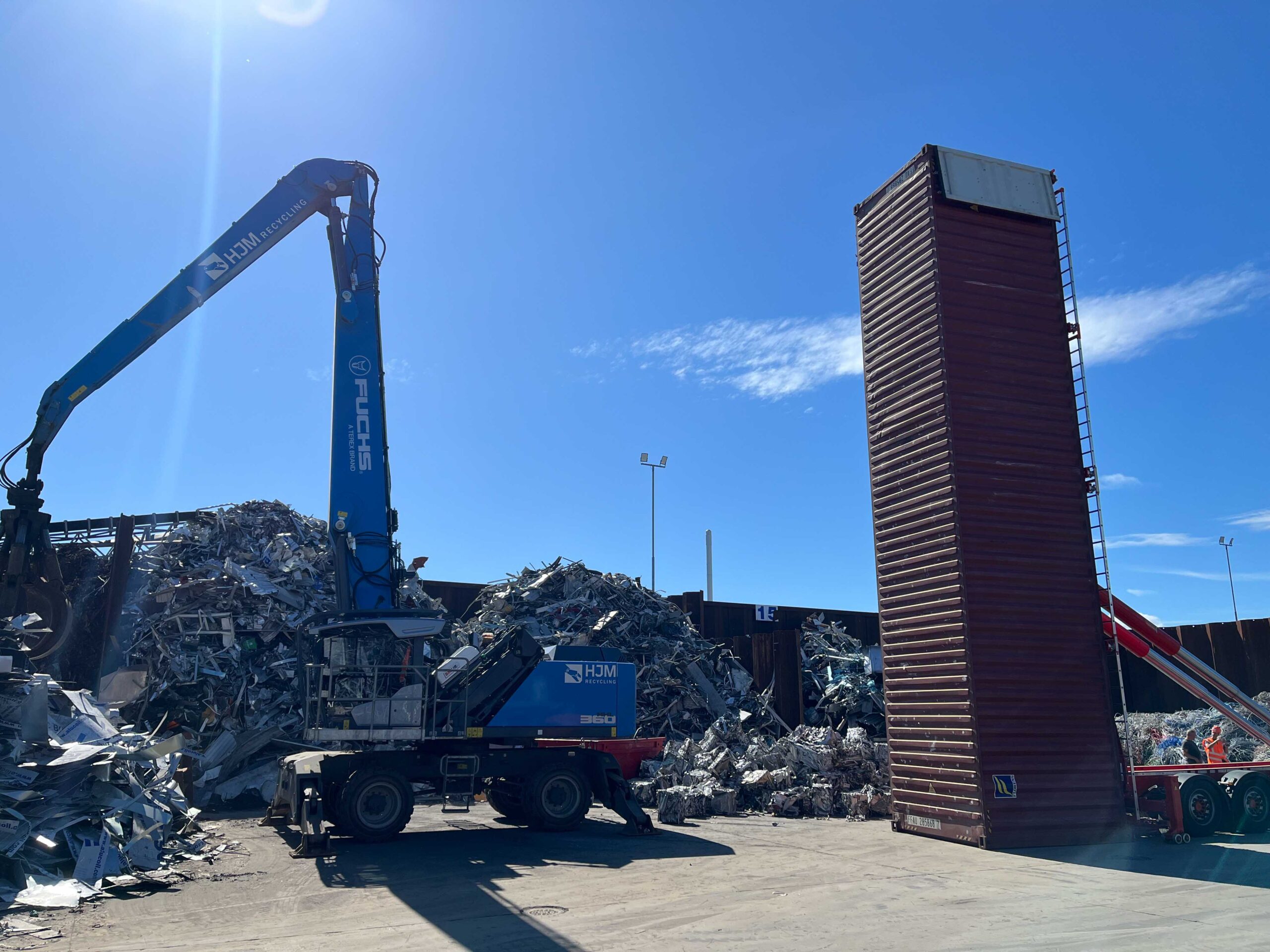 Denmark
 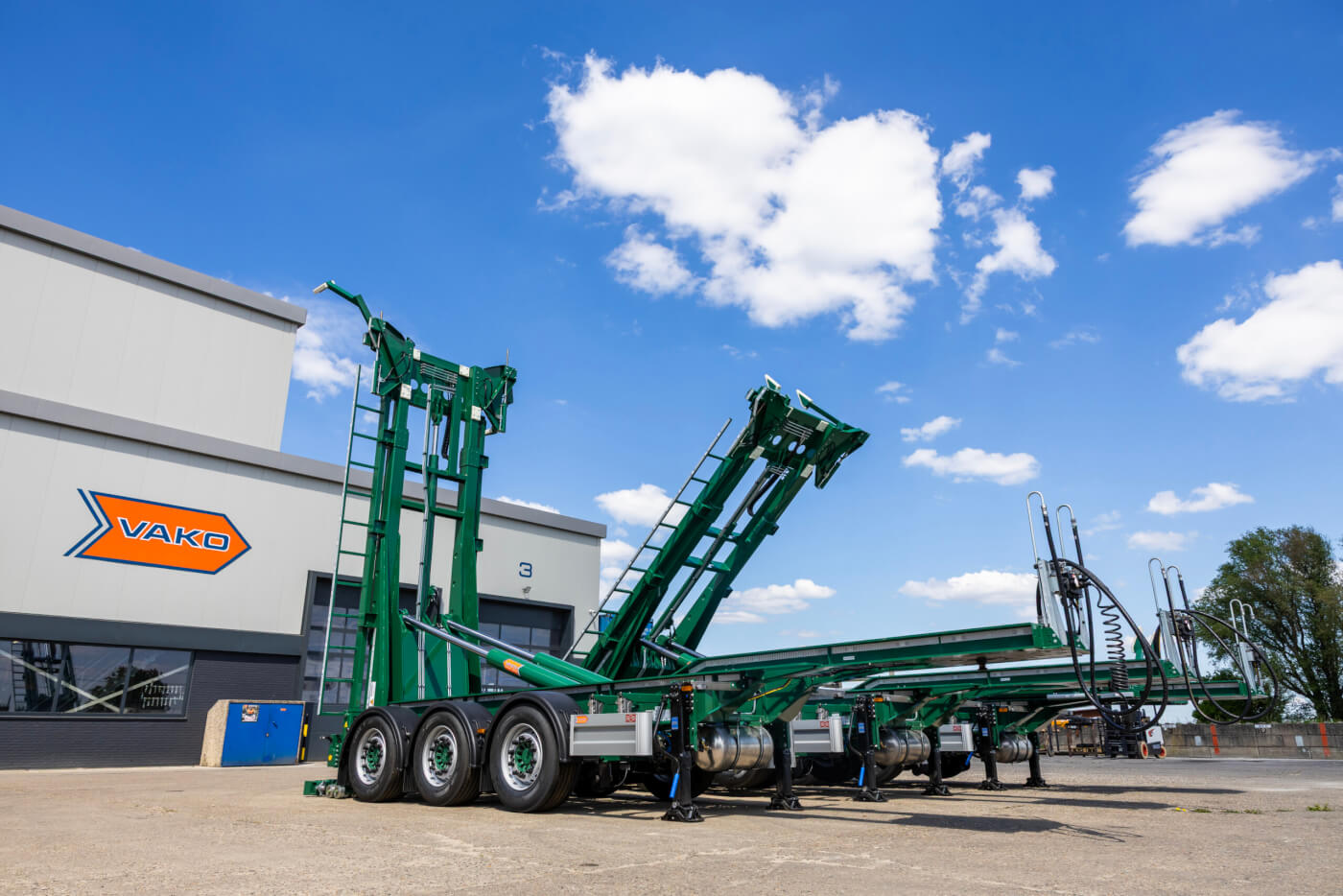 Saudi Arabia
 Not sure where your application fits?
Not every loading challenge fits neatly into one industry category. Tell us what you load, how many containers you handle and how your current process works. Our engineers can assess the material, container type, site conditions and required throughput to determine whether vertical loading can improve your operation.
FAQ
Frequently asked questions about vertical loading by industry
Which industries can use vertical container loading?
Vertical loading can be relevant for industries handling loose bulk materials, including waste and recycling, agriculture and feed, wood and biomass, and international bulk logistics.
Does every material benefit from vertical loading?
No. The potential benefit depends on material density, flow behaviour, current fill rate, legal container weight limits and the existing loading process.
Can VAKO systems handle both 20ft and 40ft containers?
Yes. VAKO develops vertical loading concepts for 20ft, 40ft and 40ft High Cube ISO containers, depending on the system and application.
Can a VAKO system be integrated into an existing process?
Yes. VAKO can engineer interfaces with conveyors, silos, hoppers, hydraulic systems, safety systems and other existing equipment.
What if my industry is not listed?
Contact VAKO with information about your material, current loading method, container type and annual volumes. We can assess whether vertical loading is technically and commercially suitable for your operation.
Bring us your loading challenge
Every industry and loading process is different. Tell us what you load, how many containers you handle and where the current process slows you down. VAKO will help assess whether vertical loading can improve your operation and which system concept fits best.