Vertical container loading for waste and recycling
Loading scrap metal, aluminium and other recyclable bulk materials efficiently is not always straightforward. Differences in density, shape and flow can leave unused container space or slow down the loading process. VAKO develops mobile, stationary and custom-engineered vertical loading solutions for ISO containers, designed around your material, loading process, yard layout and container flow.
Why vertical loading
Why vertical loading works for waste and recycling
Actual results depend on the material, container payload limits and operating conditions.
Higher container utilisation
Loading scrap and recyclables from above helps suitable fractions settle into the available volume, so more material fits per container.
Fewer transport movements
Better use of container capacity can reduce the number of containers and truck movements needed for the same annual recycling volume.
Faster loading cycles
A loading process designed around your scrap flow can shorten loading times and keep material moving through the yard.
Less manual handling
Controlled positioning, tilting and optional door handling reduce manual repositioning of heavy or awkward scrap fractions.
Safer, more controlled loading
Remote-controlled tilting and positioning keep operators away from heavy, sharp or shifting scrap during the loading process.
Built around your operation
VAKO develops mobile, stationary and custom-integrated solutions for different scrap types, yard layouts and container flows.
Applications
Materials and applications
Material suitability depends on characteristics such as bulk density, flow behaviour, moisture and safety requirements.
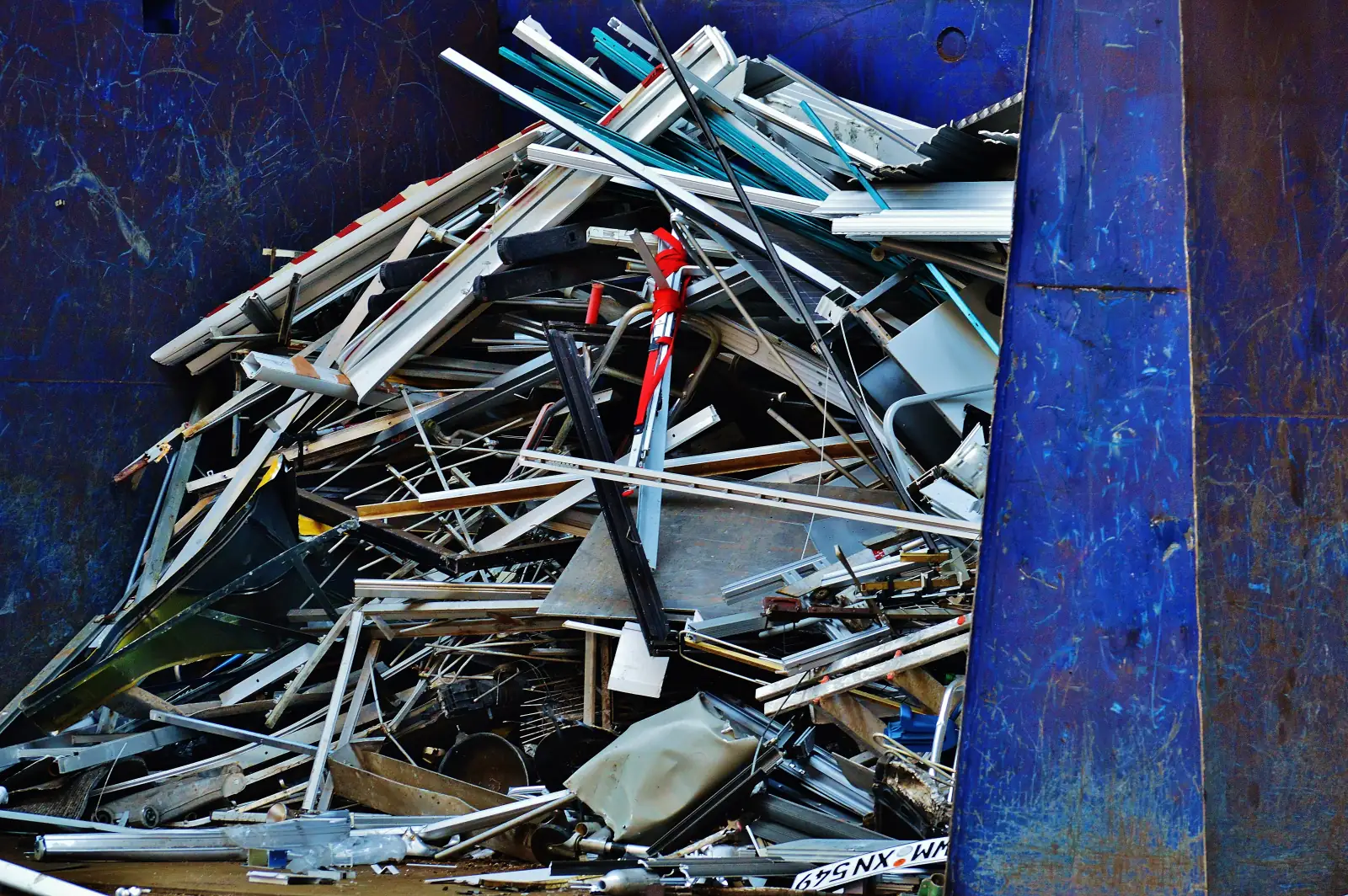
Aluminium scrap
Light or irregular fractions may benefit from better use of the available container volume.
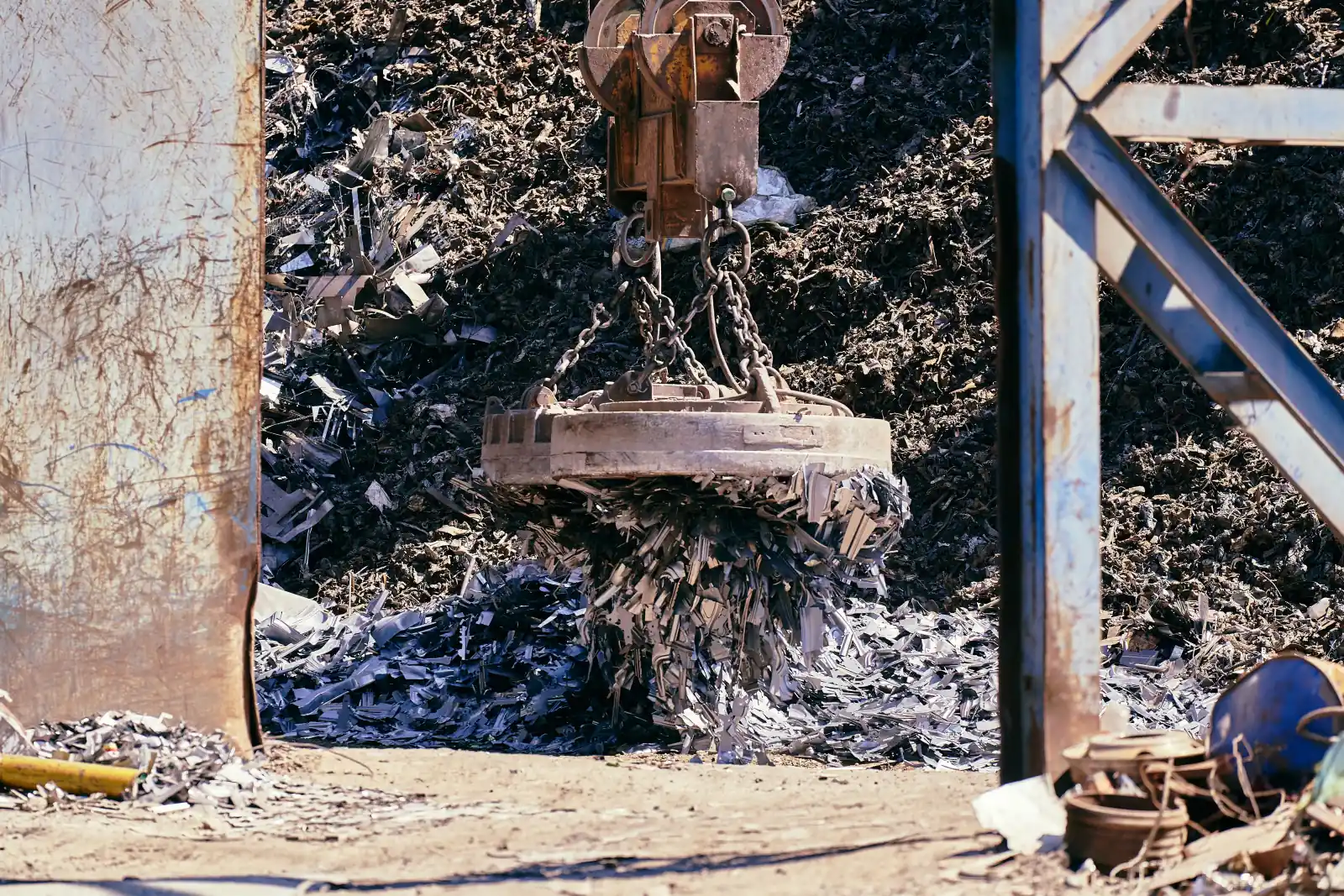
Ferrous and non-ferrous scrap
The right approach depends on density, fraction size and legal payload limits.
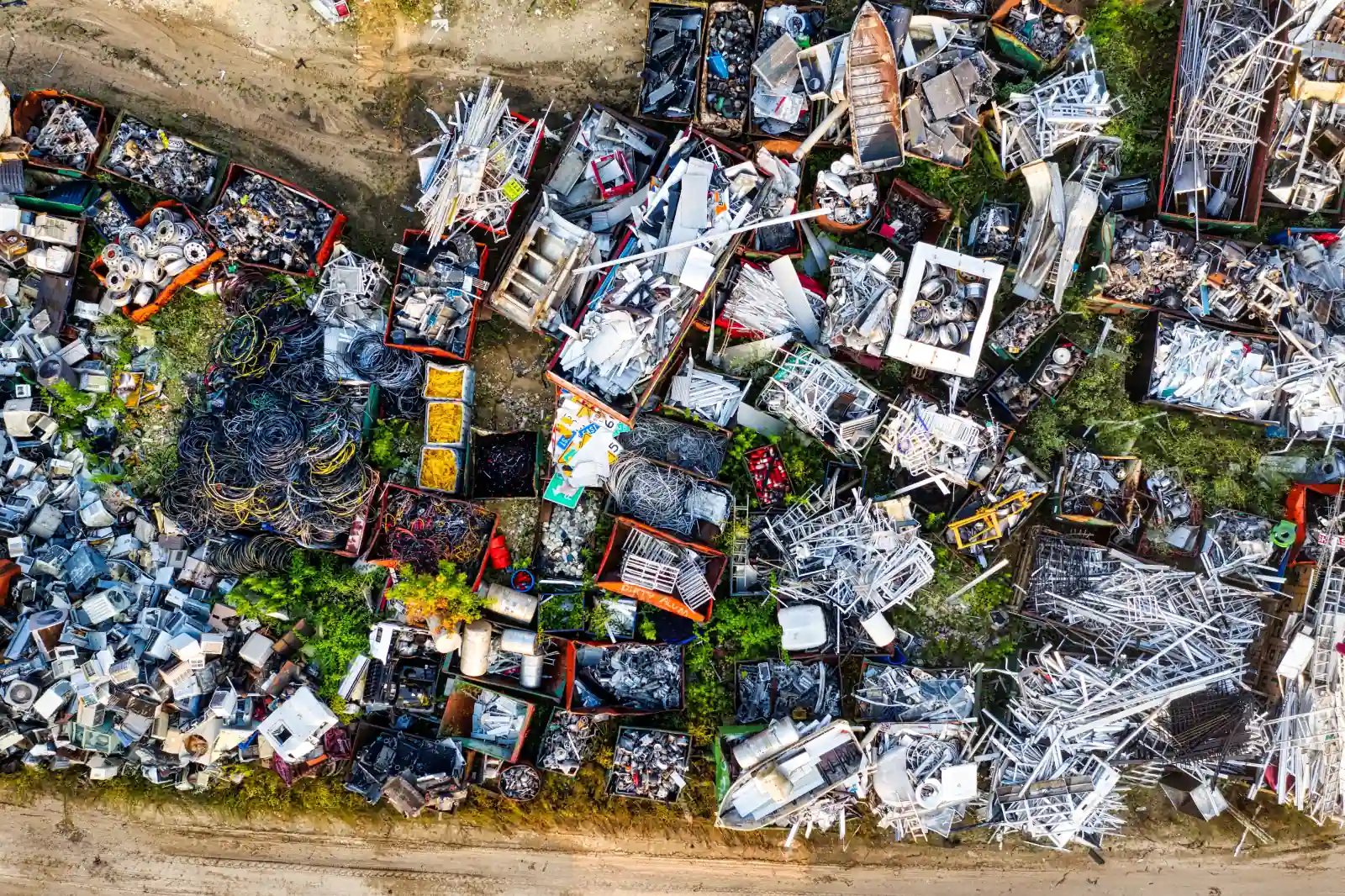
Mixed and processed scrap
Suitable fractions can be loaded from above as part of a controlled container-loading process.
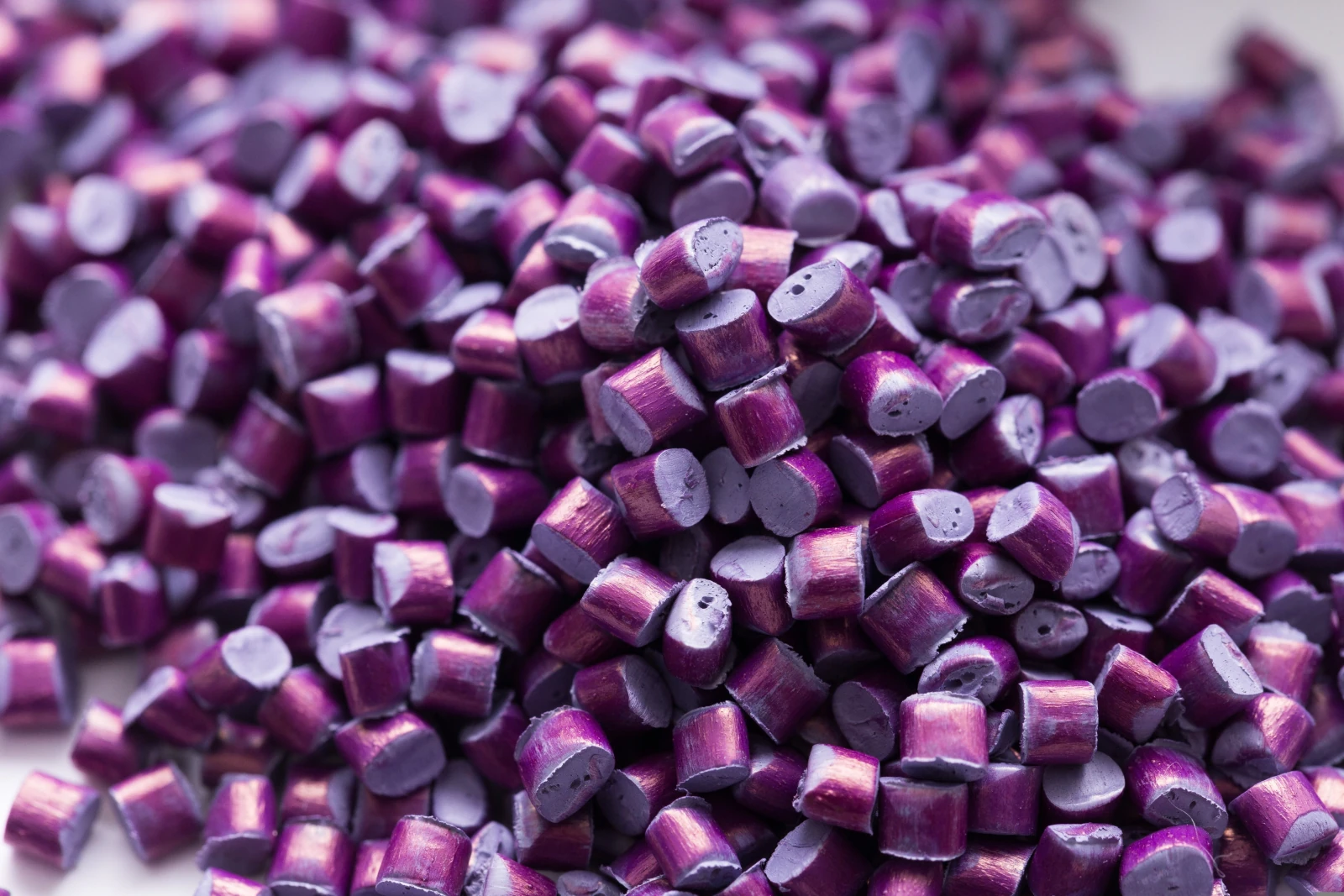
Recyclable granulates and production residues
Loose, flowable recycling materials can be assessed for mobile or stationary loading.
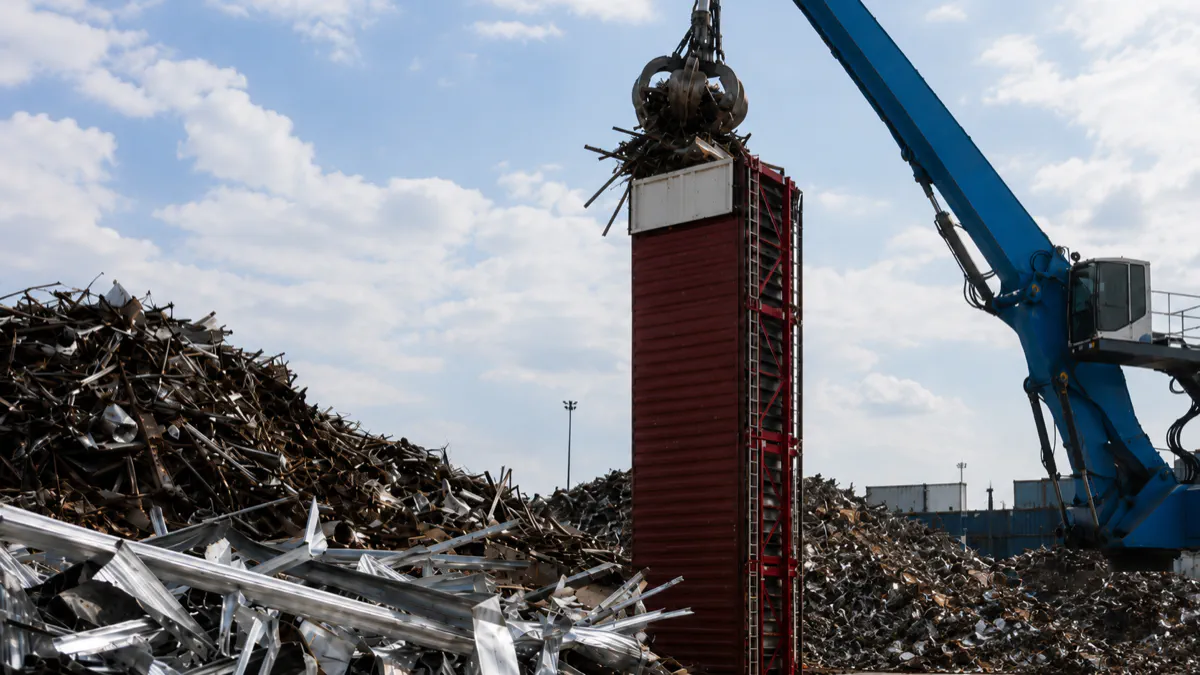
Other recyclable bulk materials
VAKO can assess material behaviour and the current loading method to determine a suitable concept.
Suitable VAKO solutions
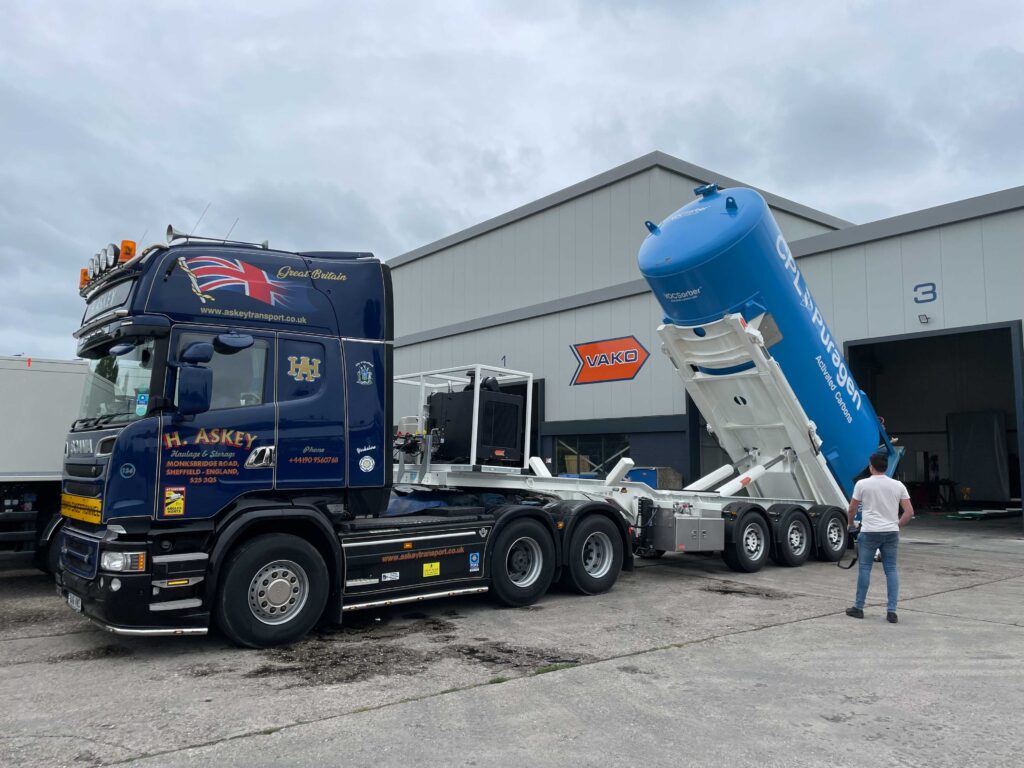
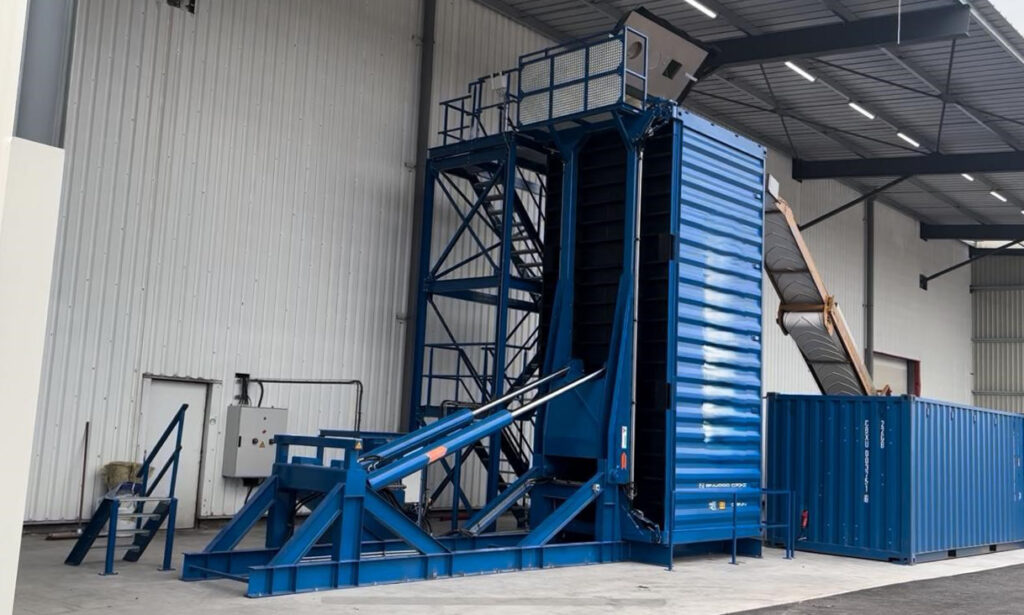
Mobile, stationary and integrated loading solutions
The right VAKO solution depends on container size, loading frequency, material characteristics, site layout and the required level of process integration.
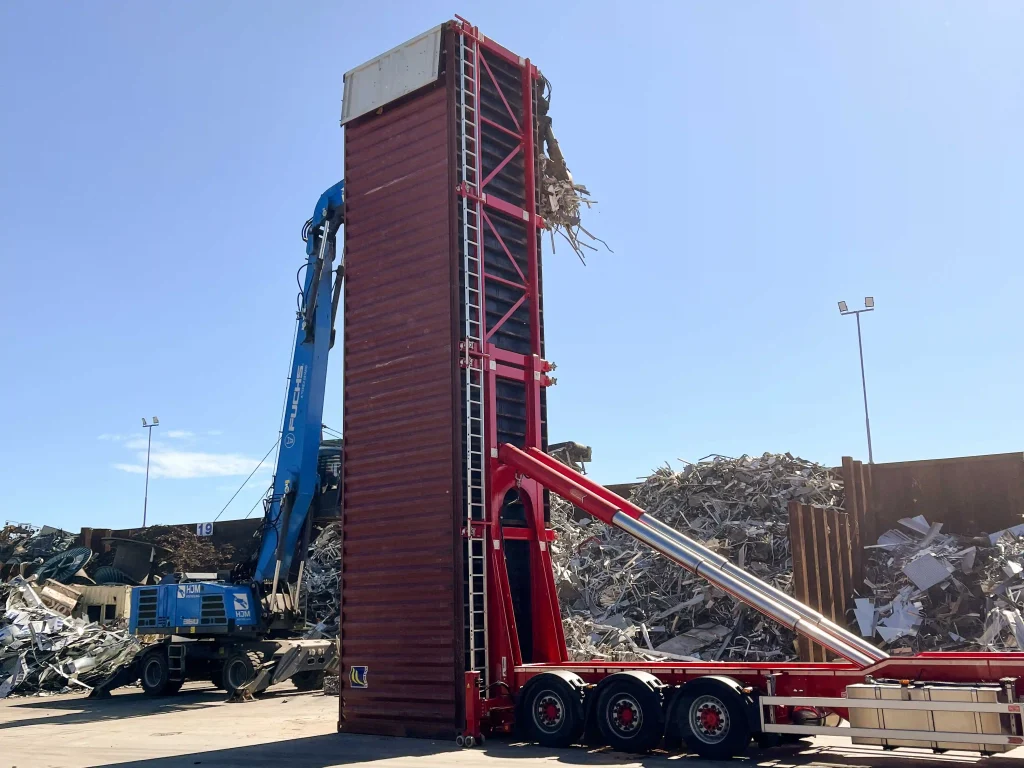
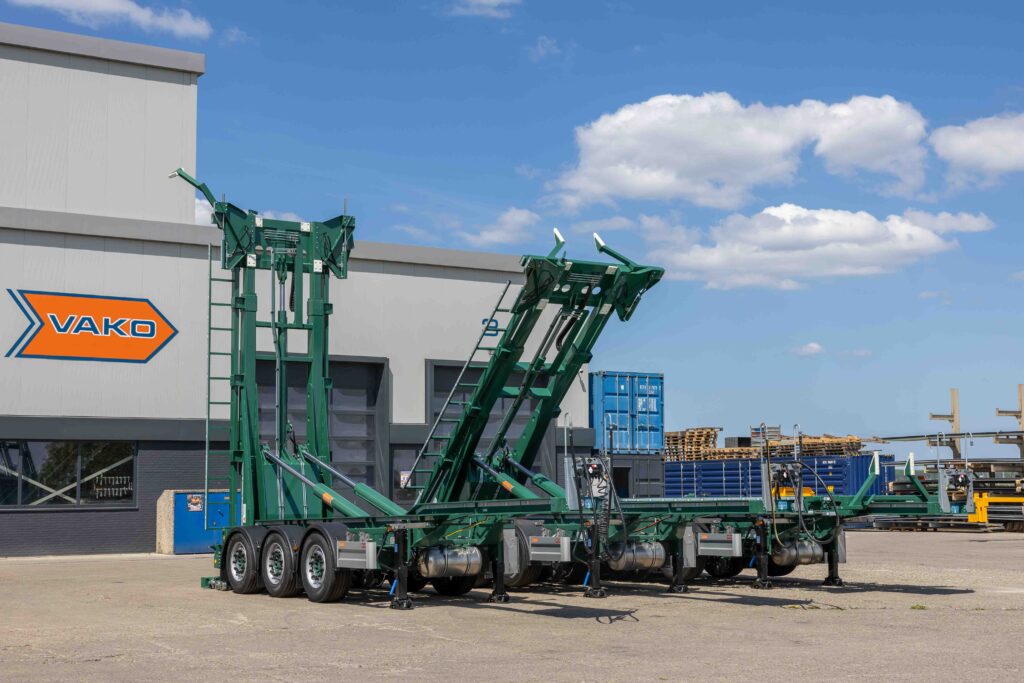
Engineered around your operation
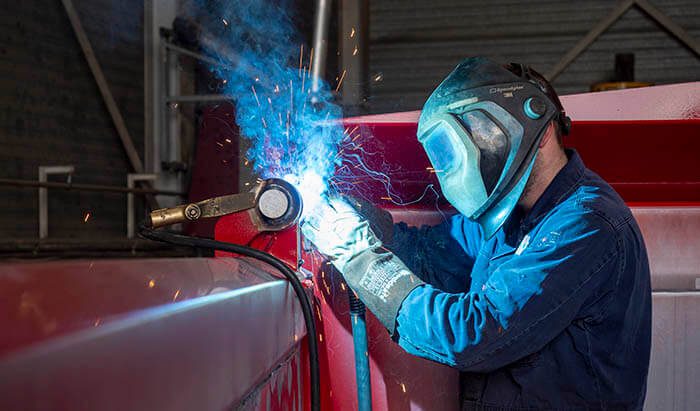
Every loading operation is different. VAKO assesses the material, container flow, site layout, required throughput and existing equipment before engineering the vertical loading solution.
Where required, the system can be customised with project-specific interfaces for conveyors, hoppers, silos, controls, door handling and other existing equipment.
Calculate the potential benefit
The VAKO calculator provides an initial indication of how vertical loading could affect container utilisation, transport movements and transport costs.
The result is indicative and remains dependent on the material, payload limits and final system configuration.
In practice
Vertical loading in practice
40ft aluminium scrap loading
VAKO engineered a custom vertical loading solution for a recurring aluminium scrap export operation, designed around the material, container flow and existing loading process. Reported result: approximately 40% shorter loading time.
View the projectFAQ
Frequently asked questions about recycling container loading
Which recyclable materials can be loaded vertically?
VAKO solutions can be suitable for scrap metal, aluminium scrap and other loose recyclable materials. Suitability depends on the material characteristics and loading process.
Can VAKO connect the loader to existing equipment?
Yes. VAKO can engineer project-specific interfaces for conveyors, hoppers, controls, door handling and other existing equipment.
Should we choose a mobile or stationary solution?
A mobile loader offers flexibility between loading locations. A stationary solution is generally better suited to fixed loading points and deeper process integration.
Bring us your recycling loading challenge
Tell us what material you load, which container size you use, how you load today and what volumes you handle. VAKO can assess your operation and determine which mobile, stationary or custom vertical loading solution fits best.